
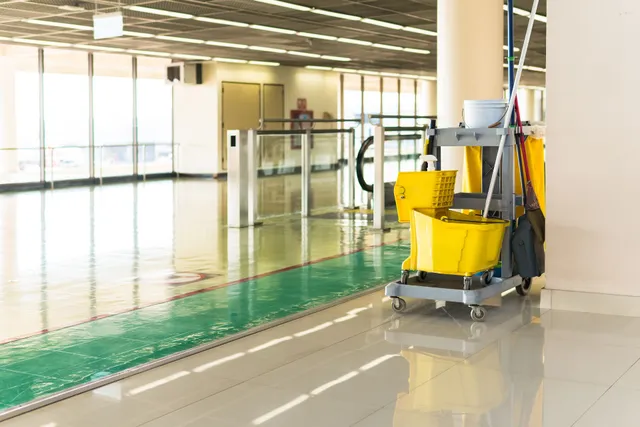
Good retail cleaning is not about making things “nice”. It is about removing friction. It is about keeping the space so clear and fresh that customers stay longer, touch more products, and trust what they are buying. That is the conversion game.
What makes a retail store feel clean to customers?
Customers rarely do a formal inspection. They notice the stuff that signals neglect.
A retail space is judged by more than just its products and displays. Customers often notice dirty entry doors, worn-looking floors, untidy bathrooms, and lingering odours that affect the overall shopping atmosphere. Learn more about retail cleaning Sydney solutions at: https://matthewscleaningco.com.au/service/retail-cleaning/
The “clean” feeling usually comes from a few visible wins:
- Clear entrance glass and streak free mirrors
- Floors that look uniform, not patchy or smeared
- No dust on shelves, skirting boards, display edges
- Bins emptied before they look full
- Fitting rooms that feel reset, not just “used earlier”
When those are handled, the store feels cared for. And customers tend to treat cared for spaces with more respect too.
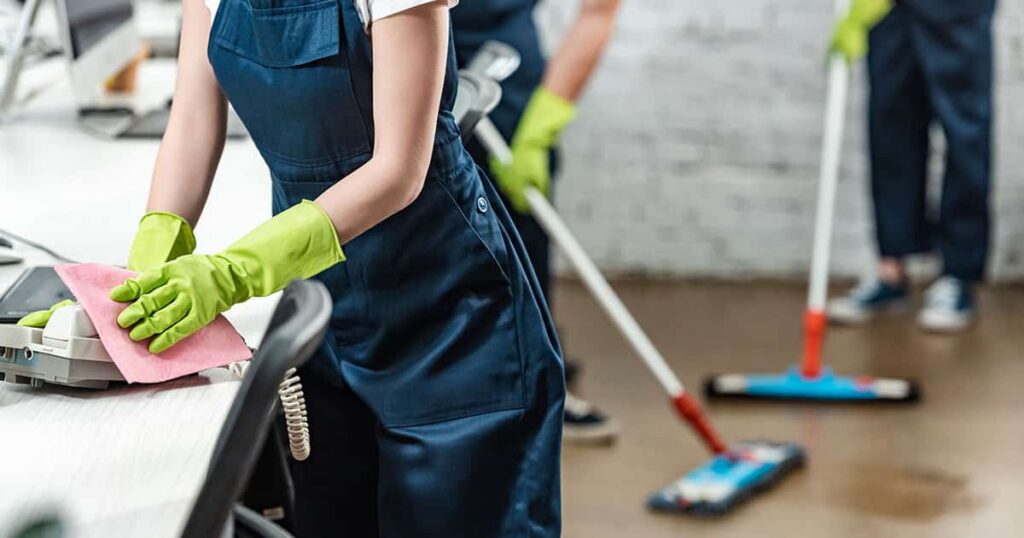
Why does retail cleaning affect conversion rates in Sydney?
Sydney retail runs on pace. There is foot traffic, there are tourists, there are lunch rushes, there are wet-weather days where the whole floor gets tracked in within minutes. If cleaning is reactive, the store spends half the day catching up.
Conversion is impacted in small ways that add up:
A customer who sees grime around a display base assumes the product is old stock. A parent who sees a dirty high-touch area steers their kid back out. A shopper who steps on a sticky patch becomes hyper-aware of everything else. They stop browsing and start looking for the exit.
Cleanliness also supports staff performance. When the store is reset properly, staff are not quietly doing “emergency cleaning” between customers. They can focus on service, upsells, and keeping the floor shoppable.
Which areas should they prioritise first?
If a store has limited time or budget, the priority should be based on what customers touch, what they stare at, and what gets dirty fastest.
A simple order that works for most Sydney retail sites:
- Entry and threshold: glass, handles, mats, immediate floor zone
- POS counter: benchtops, EFTPOS terminal area, impulse shelves
- High touch points: door handles, rails, baskets, change rooms
- Floor pathways: especially “main drag” lines through the store
- Mirrors and display glass: smears are brutally obvious under lighting
- Bathrooms and staff areas: for hygiene, smell control, and compliance
It is not glamorous, but it is effective. They can have the best merchandising in the world, but if the entry looks messy, customers never get to the good part.
How often should a Sydney retail store be cleaned?
There is no perfect schedule, but there is a realistic one. The best setups usually combine a deeper clean outside trading hours with small resets during the day.
A common rhythm:
- Daily (before open or after close): floors, bins, wipe-downs, bathrooms, glass spot check
- During trade: quick touch-point wipes, fitting room resets, spot mopping, bin swaps
- Weekly: detailed dusting (high ledges, vents), skirting boards, behind fixtures, grout attention
- Monthly or quarterly: machine scrubs, carpet extraction, high-level dusting, wall mark removal
Sydney weather matters too. Rainy weeks mean more floor cleaning. Summer can mean more odour control and more frequent bathroom checks. They should adjust based on foot traffic, not just habit.
What cleaning mistakes make stores look worse, not better?
Some cleaning actually makes the store feel dirtier. It sounds backwards, but customers notice bad cleaning instantly.
The big offenders:
- Over-wet mopping that leaves streaks or a dull film on tiles
- Using the wrong chemicals on stainless steel, mirrors, or gloss surfaces
- Dirty cloth syndrome, where the cleaner is just spreading smears around
- Ignoring corners and edges, which makes the whole floor look unfinished
- Leaving cleaning smells that clash with the brand experience
A store should smell neutral, unless fragrance is part of the brand. “Clean” is not bleachy—it is fresh and deliberately unnoticeable. The space should prioritise product visibility over sensory distraction. You can learn more about retail sensory branding principles to understand how scent impacts customer perception.
How can they set standards staff and cleaners can actually follow?
If the expectations live in someone’s head, they drift. Standards need to be visible and simple.
What works in practice:
- A short cleaning checklist by zone, not a giant document nobody reads
- Photos of “good enough” vs “not acceptable”, especially for glass and floors
- Clear timing, like “entry glass done before open” not “clean the glass”
- A basic handover note system for issues like leaks, scuffs, or bathroom supplies
- Random spot checks that are consistent, not only when something goes wrong
It also helps when store managers and cleaners speak the same language. “Make it look premium” is vague. “No streaks on front glass, no dust on display plinths, bins at 30 percent max” is workable.
What should they look for when hiring a retail cleaning service in Sydney?
Not every commercial cleaner is a good retail cleaner. Retail needs speed, detail, and discretion. Cleaners are working around stock, signage, and brand presentation.
A store should look for:
- Experience with shopping centres, boutiques, and high foot traffic sites
- A plan for after-hours access, alarms, and key control
- Colour-coded cloth systems and hygiene processes, especially for bathrooms
- Flexibility for seasonal peaks like Christmas trade and major sales
- Proof of insurance and clear incident processes for breakage or damage
- The ability to do periodic deep cleans without disrupting trade
And honestly, the best sign is consistency. Anyone can make a store look good once. The question is whether they can keep it at that level every week, without reminders.
How do they keep the store clean during busy trading hours?
They do not need to turn staff into cleaners. They just need a “reset habit” that stops mess from building up.
A few small systems help:
- A 2-minute entrance check every hour on rainy days
- A fitting room reset after every use, not “when it gets bad”
- Spot clean kits at the counter: wipes, lint roller, glass cloth
- A quick mid-afternoon tidy, because that is when stores start to sag
- A policy that bins are swapped early, so they never overflow
When the store stays visually quiet, customers stay focused. They browse longer. They are less rushed. And that is where conversion usually improves.
What is the simplest way they can start improving store cleanliness this week?
They should start with a mini audit. Ten minutes, walking the store like a customer, preferably from the outside in. Then they should fix the three things customers notice first: entry glass, floors, and smell.
After that, they can build the routine. Not a massive overhaul. Just repeatable standards, a clear schedule, and the discipline to keep the store looking intentionally maintained. In Sydney retail, that “intentional” feeling is what customers trust. And trust sells.https://highcountryvacationhomes.com/restaurant-cleaning-in-sydney-health-regulations-every-venue-must-follow/
FAQs (Frequently Asked Questions)
What makes a retail store feel clean to customers in Sydney?
Customers notice signs of neglect such as fingerprints on glass entry doors, scuffed tiles, dusty corners, sticky patches near counters, dirty bathrooms, and stale or unpleasant air. A clean retail store typically features clear entrance glass and streak-free mirrors, uniform floors without patches or smears, dust-free shelves and display edges, bins emptied before appearing full, and fitting rooms that feel reset rather than just used. These visible wins create a cared-for atmosphere that encourages customers to stay longer and engage more with products.
How does retail cleaning impact conversion rates in Sydney stores?
Retail cleaning directly affects customer perception and behavior. Grime around displays can make products seem old or neglected; dirty high-touch areas may deter parents from letting children explore; sticky floors make shoppers uncomfortable, prompting them to leave early. Additionally, effective cleaning supports staff by reducing emergency cleaning tasks during trading hours, allowing them to focus on customer service and sales. In Sydney’s fast-paced retail environment with high foot traffic and variable weather, consistent cleaning helps maintain a welcoming space that boosts conversions.
Which areas should Sydney retail stores prioritize for cleaning?
Stores with limited time or budget should focus first on areas customers frequently touch or see: 1) Entry and threshold including glass doors, handles, mats, and immediate floor zones; 2) POS counters including benchtops, EFTPOS terminals, and impulse shelves; 3) High-touch points like door handles, rails, baskets, and fitting rooms; 4) Floor pathways especially main aisles; 5) Mirrors and display glass to avoid visible smears; 6) Bathrooms and staff areas for hygiene and smell control. Prioritizing these ensures the store feels cared for from the moment customers enter.
What is the recommended cleaning schedule for Sydney retail stores?
A realistic cleaning schedule combines deep cleans outside trading hours with quick resets during the day: Daily before opening or after closing – floors mopped, bins emptied, wipe-downs done, bathrooms cleaned, glass spot-checked; During trade – spot wiping of touchpoints, fitting room resets, spot mopping as needed; Weekly – detailed dusting of high ledges and vents, skirting boards cleaned thoroughly; Monthly or quarterly – machine scrubbing floors, carpet extraction, high-level dusting, wall mark removal. Cleaning frequency should also adapt to weather conditions like rain increasing floor dirtiness.
What common cleaning mistakes can make retail stores look worse in Sydney?
Certain cleaning errors can degrade a store’s appearance: over-wet mopping that leaves streaks or dull films on tiles; using inappropriate chemicals on stainless steel or mirrors causing damage or residue; reusing dirty cloths spreading smears instead of removing dirt; ignoring corners and edges leading to an unfinished look; leaving strong cleaning smells that clash with the brand experience. Instead of bleachy odors, stores should maintain a neutral fresh scent allowing products to shine.
How can Sydney retailers set effective cleaning standards for staff and cleaners?
Effective standards are visible, simple, and actionable rather than vague expectations. Use short zone-based checklists instead of long documents; include photos showing ‘good enough’ versus ‘not acceptable’ conditions especially for glass and floors; specify clear timing like ‘entry glass cleaned before open’; implement handover notes for issues such as leaks or supply shortages; conduct consistent random spot checks rather than only reacting when problems arise. Clear communication between managers and cleaners using specific instructions (e.g., ‘bins at 30% capacity’) helps maintain premium store presentation.