
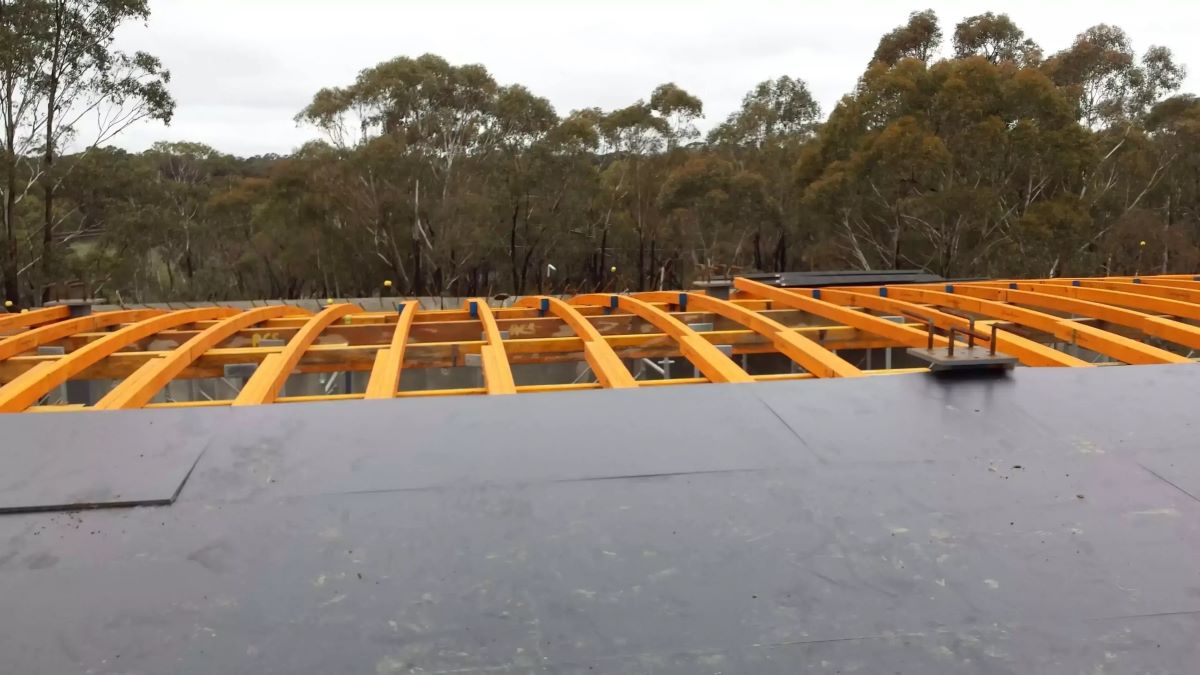
What is formply?
Formply is a plywood sheet made for concrete formwork, where wet concrete is poured against it. It usually has a smooth, resin-impregnated film face that resists moisture, cement paste, and abrasion.
Because it is designed for reuse, it tends to be more durable on site than everyday plywood. Many sheets are edge-sealed to reduce water ingress and delamination.
What is standard plywood?
Standard plywood is a broad category of layered timber sheets used for structural and non-structural work. It can be made for interior use, exterior use, or structural bracing depending on its glue bond and grading.
It does not normally come with a film face. That means it can soak up moisture more easily and its surface can mark, splinter, or wear faster in harsh conditions.
What is the main difference between formply and standard plywood?
The main difference is the surface and intended use. Formply is purpose-made for concrete shutters with a protective film face, while standard plywood is a versatile sheet chosen by grade, thickness, and glue type for general building and joinery.
In practice, formply prioritises repeat use, easy release from concrete, and moisture resistance. Standard plywood prioritises flexibility, availability, and suitability for finishing.”
How do their surfaces and finishes compare?
Formply typically has a smooth film face that helps concrete release cleanly and leaves a consistent finish. Some formply is double-faced, while others have one film face and a textured anti-slip face.
Standard plywood usually has a timber veneer face that can be sanded, painted, or laminated. It is easier to stain or finish for interiors, but it is more likely to telegraph grain and absorb coatings unevenly.
How do they perform around water and weather?
Formply is generally more moisture resistant because the film face acts as a barrier and edges are often sealed. That makes it better suited to wet concrete pours and short-term exposure on site.
Standard plywood’s performance depends on its bond class and grade. Exterior-rated plywood can handle weather far better than interior plywood, but it still lacks the film barrier and may swell or check if repeatedly soaked and dried.
Which one is stronger for building jobs?
Neither is automatically “stronger” in all cases because strength depends on thickness, span, species, and whether it is structural-rated. However, formply is often manufactured to handle high loads and impact typical of formwork use.
Standard plywood can be structural too, and structural-rated sheets are commonly used for flooring, bracing, and roofing. The right comparison is between specific grades, not just the names.
How do they differ in weight and handling?
They are often similar in weight for the same thickness, but formply can feel heavier in practice because it is commonly used in thicker sheets and the film can add a small amount of mass.
Handling also differs because the film face is more slippery. On site, they may need better stacking and lifting control, especially in wet conditions.
Is formply safer or better for anti-slip surfaces?
Formply can be better for anti-slip needs if it is the type with a textured or wire-mesh patterned face. That is why it is sometimes used for temporary ramps, lorry floors, and platforms.
Standard plywood can be made slip-resistant with coatings, grip tapes, or overlays, but it is not inherently designed for that unless it is a specialist product.
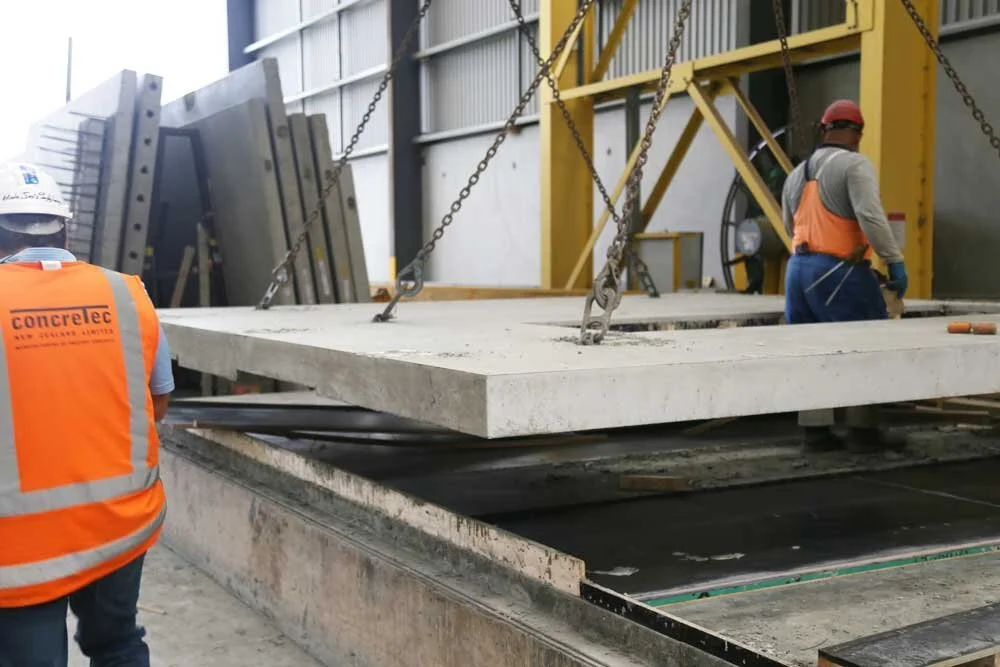
Which one is better for concrete formwork?
Formply is usually the better choice for formwork because it is designed for it. The film face improves release, reduces blowouts and surface defects, and allows more reuses if it is cleaned and stored properly.
Standard plywood can be used for one-off pours, but it may bond to concrete, degrade faster, and leave a rougher finish. That can cost time in stripping, patching, and replacement. For regulatory insight, refer to Australian timber preservation standards and approved treatment requirements relevant to durability and biosecurity.
Which one is better for furniture and interior fit-outs?
Standard plywood is usually better for furniture and interiors because it comes in face grades suited to visible applications. It can be selected for a cleaner veneer, consistent colour, and better paint or lacquer results.
Formply can be used for a deliberately industrial look, but the film face limits finishing options. It is harder to glue and paint reliably unless the film is removed or specially prepared.
How do costs compare?
Formply is often more expensive because it is engineered for repeated use and has a film overlay. The higher upfront cost can make sense if they expect multiple pours and want a consistent concrete finish.
Standard plywood spans a wide price range. Budget interior sheets can be cheap, while high-grade structural or hardwood-faced plywood can cost as much as, or more than, some formply.
What should they check before buying either sheet?
They should check the intended environment and the sheet’s rating, not just the product name. For formply, they should look for film quality, edge sealing, thickness, and whether it is rated for formwork use.
For standard plywood, they should confirm whether it is interior or exterior bonded, whether it is structural-rated, and what face grade they need for appearance. They should also check sheet flatness, core gaps, and veneer quality.
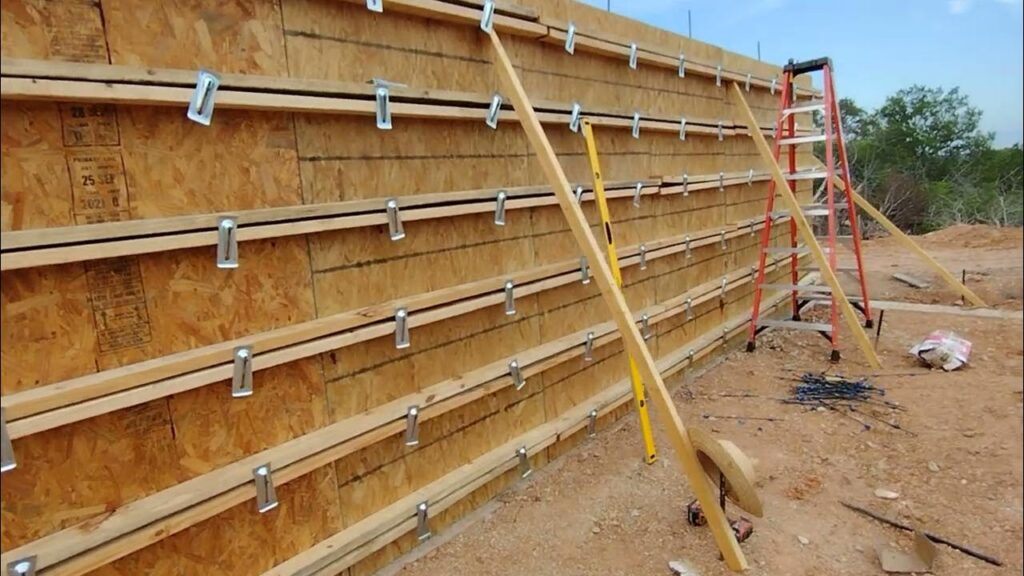
How should they choose between formply and standard plywood?
They should choose formply when the sheet will face wet concrete, be reused on site, or needs a tough film surface. They should choose standard plywood when the job needs a finish-ready face, easy bonding and painting, or a specific structural grade for building.
If the use is mixed, they can also combine them: formply for formwork and high-wear surfaces, and standard plywood for framing, lining, and anything that needs a clean decorative finish.
More to Read : Why Scaffold Mesh Is Essential for Construction Site Safety
FAQs (Frequently Asked Questions)
What is the primary purpose of formply compared to standard plywood?
Formply is specifically designed for repeated concrete formwork with a smooth, moisture-resistant film face, making it durable against wet concrete and tough site conditions. In contrast, standard plywood serves as a general-purpose sheet for construction and interiors, chosen based on grade, thickness, and glue type for various building and joinery needs.
How do the surfaces of formply and standard plywood differ?
Formply features a smooth, resin-impregnated film face that aids in easy concrete release and resists moisture and abrasion. Some variants have a textured anti-slip face. Standard plywood typically has a timber veneer surface that can be sanded, painted, or laminated but is more prone to moisture absorption and surface wear in harsh conditions.
Which plywood type performs better in wet or outdoor environments?
Formply generally offers superior moisture resistance due to its protective film face and sealed edges, making it ideal for wet concrete pours and short-term site exposure. Standard plywood’s performance varies by bond class and grade; exterior-rated types handle weather better but lack the film barrier, potentially leading to swelling or checking with repeated moisture exposure.
Is formply stronger than standard plywood for construction purposes?
Strength depends on factors like thickness, species, span, and structural rating rather than just the type. Formply is often manufactured to withstand high loads typical of formwork use, while structural-rated standard plywood is commonly used for flooring, bracing, and roofing. Comparing specific grades is essential to determine strength suitability.
Which plywood is more suitable for furniture and interior fit-outs?
Standard plywood is usually preferred for furniture and interior applications because it comes in face grades suited to visible finishes with cleaner veneers and consistent colour. It accepts paint or lacquer well. Formply’s film face limits finishing options and can be harder to glue or paint unless specially prepared.
How should one decide between using formply or standard plywood for a project?
Choose formply when working with wet concrete, needing repeated reuse on site, or requiring a tough film surface resistant to moisture and abrasion. Opt for standard plywood when the project demands a finish-ready face suitable for painting or bonding or requires specific structural grades. For mixed uses, combining both—formply for formwork and wear surfaces, standard plywood for framing and decorative finishes—is effective.