
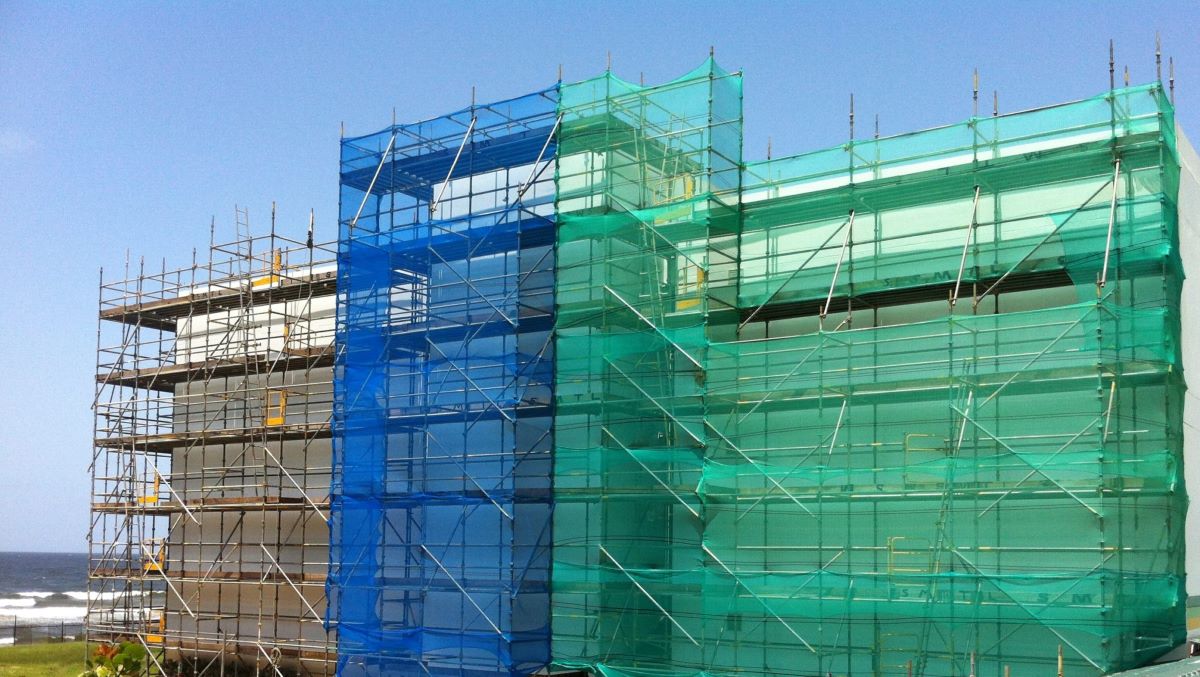
On busy builds where multiple trades work at height, scaffold mesh also creates clearer boundaries. That small change can prevent accidents, reduce complaints from the public, and protect the programme from avoidable stoppages.
What is scaffold mesh and what does it do?
Scaffold mesh is a protective sheeting fixed to scaffolding to create a semi-enclosed barrier. It is designed to contain debris, reduce wind effects, and improve safety around work at height.
Most mesh is made from lightweight, durable materials that allow airflow while blocking dust and small fragments. When installed correctly, it helps keep the working platform and the area below more predictable and controlled.
Why does scaffold mesh reduce the risk of falling objects?
It acts as a physical barrier that catches or deflects loose materials before they drop to lower levels. That includes offcuts, fixings, hand tools, and fragments created during cutting or drilling.
Even when toe boards and brick guards are used, gaps can still appear in real site conditions. Mesh provides continuous coverage, which reduces reliance on perfect housekeeping and lowers the chance of a single mistake becoming an injury.
How does scaffold mesh protect the public and neighbouring properties?
It helps prevent dust, debris, and splashes from leaving the scaffold line. That matters on street-facing projects near footpaths, schools, and retail areas where the public may be close to the works.
Mesh also reduces nuisance issues such as windblown litter, grit on cars, and visible mess. Fewer complaints and fewer incidents can mean fewer inspections, fewer delays, and less reputational damage for the contractor.
Can scaffold mesh improve worker safety on the scaffold itself?
Yes, because it adds a layer of edge protection and visual separation. Workers often feel more secure when there is a barrier at the perimeter, particularly during repetitive tasks or when handling awkward materials.
It also helps reduce distractions from traffic, pedestrians, or adjacent buildings. A calmer working area supports safer movement, better focus, and fewer near misses.
Why is scaffold mesh important for controlling dust and light debris?
It limits the spread of airborne dust generated by grinding, sanding, demolition, and cutting. That supports cleaner conditions below and can reduce exposure for other trades working nearby.
Better dust control also supports housekeeping and site presentation. Where projects must meet strict environmental requirements, mesh can be an easy first step before adding more specialised containment systems.
Does scaffold mesh help with weather and wind management?
It can, but it must be selected and installed with wind loading in mind. Mesh reduces wind gusts on platforms by breaking airflow, which can make certain tasks more manageable.
However, any sheeting can increase sail effect if poorly specified or fixed. They should follow the scaffold design, manufacturer guidance, and local wind conditions to avoid creating new risks.
How does scaffold mesh support compliance and safer site management?
It helps demonstrate that the contractor has taken reasonable steps to protect workers and the public from foreseeable hazards. That can support compliance with common UK expectations around work at height and site security.
Mesh also makes it easier to control access and define work zones. When boundaries are clearer, supervision is simpler, signage is more effective, and unsafe shortcuts are less likely.
What should they look for when choosing scaffold mesh?
They should match the mesh type to the job, not just the price. Key considerations include mesh density, flame retardant ratings where required, UV stability, tear strength, and how it will be fixed.
They should also check compatibility with the scaffold design and any local authority requirements. If the project faces public areas or high winds, selection and fixing details should be treated as a safety critical decision. Check out more about formply versus standard plywood and what the differences are.
What are the most common mistakes with scaffold mesh?
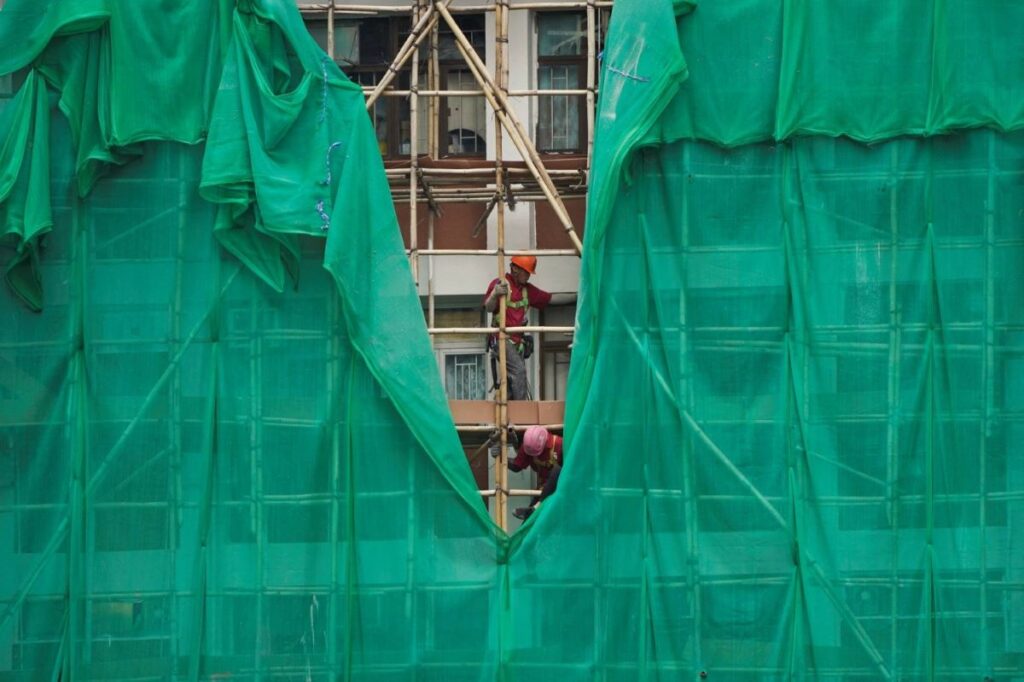
The biggest issues are poor fixing, missing sections, and using the wrong product for the exposure conditions. Loose edges can flap, tear, or create hazards, while gaps defeat the point of installing it.
Another common mistake is ignoring wind loading and scaffold design changes. If the scaffold is altered, the mesh plan often needs reviewing too; otherwise, a safety measure can become a structural risk.
What is the bottom line on scaffold mesh and site safety?
Scaffold mesh is essential because it reduces falling object risk, improves containment, and protects both workers and the public with minimal disruption. When correctly specified and installed, it is one of the most cost effective safety upgrades a site can make.
It is not a substitute for proper scaffold design, inspections, and good housekeeping. But as a practical layer of protection, it helps turn a high risk edge into a controlled work area.
FAQs (Frequently Asked Questions)
What is scaffold mesh and how does it enhance site safety?
Scaffold mesh is a protective sheeting attached to scaffolding to create a semi-enclosed barrier. It contains debris, reduces wind effects, and improves safety around work at height by making the working platform and area below more controlled and predictable.
How does scaffold mesh reduce the risk of falling objects on construction sites?
Scaffold mesh acts as a physical barrier that catches or deflects loose materials such as offcuts, fixings, hand tools, and fragments before they fall to lower levels. It provides continuous coverage beyond toe boards and brick guards, lowering the chance of accidents caused by falling objects.
In what ways does scaffold mesh protect the public and neighbouring properties during construction?
Scaffold mesh prevents dust, debris, and splashes from leaving the scaffold line, which is crucial for street-facing projects near footpaths, schools, and retail areas. It reduces nuisance issues like windblown litter and grit on cars, leading to fewer complaints, inspections, delays, and reputational damage for contractors.
Can scaffold mesh improve worker safety on scaffolds themselves?
Yes. Scaffold mesh adds an extra layer of edge protection and visual separation. This barrier helps workers feel more secure during repetitive tasks or when handling awkward materials and reduces distractions from traffic or pedestrians, promoting safer movement and better focus.
What factors should be considered when choosing the right scaffold mesh for a project?
Key considerations include matching the mesh type to the job rather than just price; assessing mesh density, flame retardant ratings if required, UV stability, tear strength; compatibility with scaffold design; local authority requirements; and how it will be fixed. For projects near public areas or in high winds, selection and installation are critical safety decisions.
Why is proper installation of scaffold mesh important for wind management on site?
While scaffold mesh can reduce wind gusts by breaking airflow on platforms, improper selection or fixing can increase sail effect, creating new risks. Mesh must be installed following scaffold design guidelines, manufacturer instructions, and local wind conditions to ensure it aids weather management without compromising safety.