
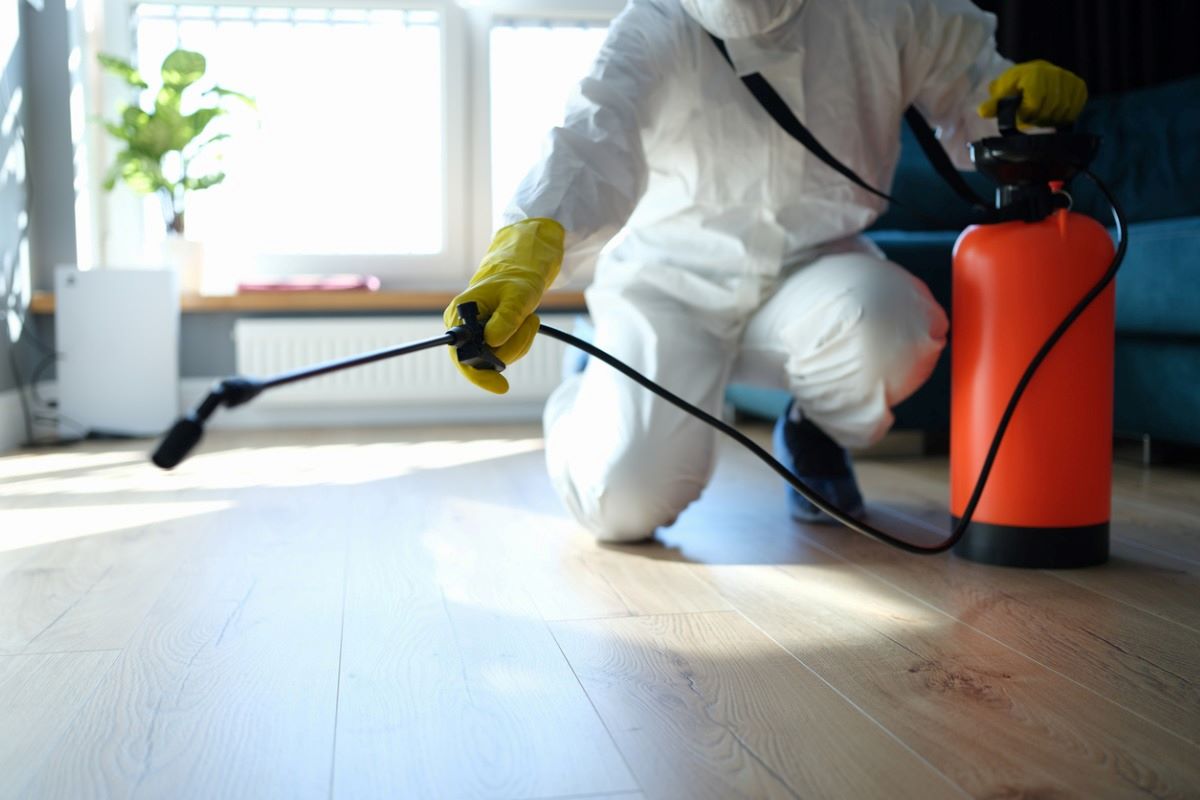
Many households also prefer methods that are effective but low impact around children, pets, and pollinators. That is where Pest Control West Pennant Hills services tend to focus on inspection-led treatments, prevention, and targeted follow-ups.
What seasonal pests cause the most damage in West Pennant Hills?
The most common issues come from ants, cockroaches, spiders, rodents, termites, and garden pests like aphids and caterpillars. Each season shifts the pressure point, so a single treatment rarely covers everything.
Warm months usually increase cockroach activity and garden infestations, while cooler weather can push rodents indoors. pest and termite control West Pennant Hills programmes often map these cycles so the property is protected year-round.
Why do gardens and flowers attract pests so quickly?
Gardens offer food, shelter, moisture, and hiding spots, especially where mulch, dense groundcover, and overwatering are common. Flowering plants can also attract sap-sucking insects, which then attract ants that “farm” them for honeydew.
A practical approach is to reduce what pests need rather than only reacting to what is visible. Pest Control West Pennant Hills providers frequently recommend pruning for airflow, removing leaf litter, and fixing irrigation overspray onto paths and walls.
How can they protect flowers without harming beneficial insects?
They can protect blooms by focusing on targeted treatments and timing rather than blanket spraying. Early detection matters, since small outbreaks of aphids, thrips, or mites can often be managed before they spread across beds.
Many teams will prioritise spot treatments, physical removal where possible, and advice on plant health to improve resilience. For properties that need stronger interventions, Pest Control West Pennant Hills services typically aim for products and placement that minimise drift onto pollinator zones.
What are the early warning signs of termites and timber pests?
Termites often show subtle signs, such as mud leads along foundations, soft or hollow-sounding timber, tight doors, or bubbling paint. The issue is that damage can progress behind walls or under floors without obvious clues.
Regular inspections are the safest option because visual checks by residents can miss hidden activity. Pest Control West Pennant Hills inspections commonly include subfloor and perimeter checks, risk reporting, and practical steps to reduce conducive conditions.
How do they keep ants, cockroaches, and spiders out of the home?
Exclusion and hygiene usually do more than a single spray. Sealing gaps, fitting door sweeps, improving food storage, and reducing moisture around sinks can remove the basics that pests rely on.
For active infestations, technicians may use baits, dusts, and targeted perimeter treatments based on the species involved. A tailored plan from Pest Control West Pennant Hills helps ensure the treatment matches the pest, rather than applying a generic solution that only offers short relief. Read more about Hills Guardian Pest Control.
What is the best way to prevent rodents during cooler months?
Rodents follow warmth, shelter, and food, so prevention starts outside. They can trim back vegetation near walls, store pet food in sealed containers, and remove fallen fruit, seeds, and accessible compost.
Entry points are often the dealbreaker, since mice can fit through very small gaps. Pest Control West Pennant Hills support may include proofing recommendations, trap placement where required, and guidance on reducing harbourage in garages and roof voids.
When should they call a professional instead of DIY?
They should call a professional when pests keep returning, when there is property risk, or when safety is a concern. Termites, rodents, and recurring cockroach issues are common examples where DIY products can waste time while the problem grows.
Professionals also help when residents want a clear diagnosis, not guesswork. Pest Control West Pennant Hills technicians can identify the pest, find the source, and set a plan with follow-up so results are measurable.
What should they expect from a good local pest control visit?
A good visit starts with questions, inspection, and a simple explanation of what was found. They should expect the technician to identify entry points and contributing factors, not only treat symptoms.
They should also receive clear aftercare instructions, realistic timeframes, and advice for prevention between visits. When households book Pest Control West Pennant Hills, the best outcomes usually come from combining treatment with small property changes that block reinfestation.

How can they build a simple seasonal pest plan?
A seasonal plan is easiest when it is repeatable: inspect, prevent, treat if needed, then review. In spring, they can watch for aphids and ants; in summer, cockroaches and garden chewers; in autumn, spiders and rodents; in winter, rodent pressure and moisture-related issues.
Keeping notes helps, including where activity was seen and what conditions were present. With that baseline, Pest Control West Pennant Hills schedules can be aligned to the property’s risk, rather than treating only after pests are already established.
What is the takeaway for protecting gardens, flowers, and homes?
They do not need to eliminate every insect to protect the property, but they do need to manage the ones that cause damage, spread, or health concerns. The most reliable results come from early action, targeted treatment, and prevention that reduces food, water, and entry points.
For households wanting consistent protection through changing seasons, Pest Control West Pennant Hills offers a structured way to safeguard gardens and interiors without relying on last-minute fixes.
Related : Pest Control Katoomba: A Pet-Friendly Home Guide to Managing Household Pest Risks